
Bilious Headache

Bilious headache - CHHC

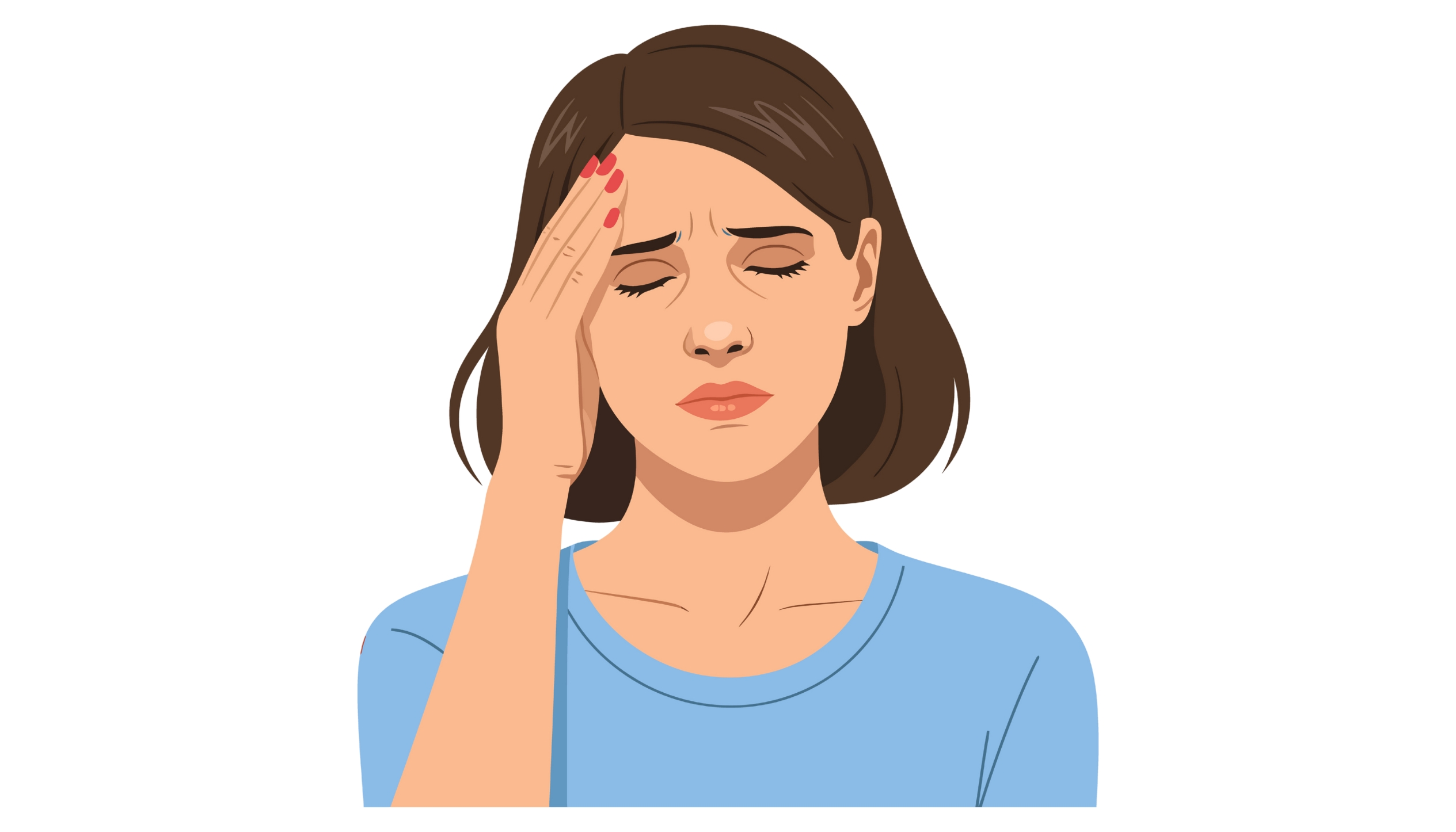
A bilious headache occurs after overeating or consuming heavy meals which results to indigestion and headache. It is linked with disturbances of the liver, gallbladder, or digestive system, especially when there is an excess of bile or sluggish digestion. Those who have liver disorders can also suffer from this type of headache. The headache is characterized as dull pain in the forehead along with throbbing sensation in the temples.

Causes

The term “bilious” comes from bile, a digestive fluid produced by the liver.

Historically, when bile secretion or digestion was disturbed, symptoms like headache, nausea, and vomiting were believed to follow.

The main cause of bilious headache is overeating and indigestion. Those who do not have meals on the right time and do not stick with a healthy diet are susceptible to this type of headache.

Individuals who consume fatty, greasy and junk food face a higher risk for the headache since these foods are hard to digest and becomes a burden on the digestive system.

Symptoms

  • Throbbing and splitting pain felt in the temples
  • Heaviness in the neck and head region
  • Abdominal discomfort and bloating sensation
  • Constipation
  • Irritability and restlessness
  • Regurgitation of bile from the mouth
  • Feeling nauseated and often vomits large amounts of undigested food followed by bile. After an episode of vomiting, the individual feels relieved as the headache settles.

Preventive measures:

  • Certain foods must be avoided such as coffee, tea and those that contain various types of fat
  • Tobacco and liquor must be avoided
  • Make the necessary changes in the eating habits such as consuming small frequent meals and foods that are readily digested
  • Foods that are rich in fiber such as vegetables and fruits must be included in the diet
  • Exercise regularly such as brick walking for 10-15 minutes after meals or jogging in the morning.
  • Make sure that the individual drinks a lot of fluids throughout the day.

How Homeopathy helps?

Homeopathic treatment focuses on matching the unique symptoms of the individual to the most appropriate remedy (the principle of “like cures like”).

Homeopathic medicines:

  • Regulates liver & gut motility → reduces indigestion-induced headaches
  • Modulates vomiting center & gastric irritation → relieves nausea-dominant headache
  • Stimulates bile secretion & liver function → resolves liver-related bilious headache
  • Controls hyperacidity & bilious vomiting → relieves acid-triggered headaches
  • Calms gastric irritation and bilious regurgitation → relieves sour, bitter and burning vomiting

Below are some commonly indicated remedies for bilious symptoms, based on specific symptom profiles:

  • Iris versicolor: This is a key remedy for intense migraines often preceded by blurry vision or other visual disturbances. The pain is typically on the right side of the head or in the forehead and is associated with severe nausea and a sour or bitter taste in the mouth.
  • Nux vomica: Ideal for headaches resulting from a sedentary lifestyle, mental exertion, overindulgence in rich food, alcohol, or coffee. The headache is often frontal, with neck tension, and accompanied by irritability and digestive upset. Symptoms typically worsen in the morning and in warm rooms.
  • Bryonia: Indicated for “splitting” or heavy headaches that are significantly worsened by any form of movement, even eye movement. The person desires to lie down quietly in a dark room and apply pressure to the affected area.
  • Belladonna: Useful for sudden, intense, throbbing headaches where the head feels hot and the face flushed. The pupils may be dilated, and the individual is highly sensitive to light, noise, and jarring movements.
  • Sanguinaria: This remedy addresses right-sided migraines, which may start at the back of the head and settle over the right eye, often accompanied by neck and shoulder tension.
  • Natrum muriaticum: Effective for headaches triggered by emotional upsets, grief, or sun exposure, often occurring around the menstrual cycle. The pain feels like thousands of little hammers inside the head, and symptoms may be relieved by lying down in a dark room.
  • Ignatia: This remedy is helpful for migraines in sensitive people, especially headaches after emotional upsets or caused by grief. The person often sighs or yawns and may sometimes weep or seem “hysterical.”

Lifestyle and Management Tips

In addition to homeopathic remedies, lifestyle adjustments can significantly aid in managing bilious headaches:

  • Identify Triggers: Identify specific food, stress, or environmental triggers.
  • Stay Hydrated: Dehydration is a common headache cause, so ensure adequate water intake.
  • Prioritize Sleep: Lack of sleep can be a major trigger for migraines.
  • Stress Management: Practice relaxation techniques such as acupressure or mindfulness to manage stress and tension.

Please note: Homeopathic medicines should not be self-administered. It is essential to consult with an experienced and qualified homeopathic practitioner for optimal therapeutic results and safe treatment.

  • An experienced Homeopath thoroughly evaluates your Past History, Medical History, Family History, Constitutional Assessment (Physical constitution, temperament, and individual characteristics), Lifestyle Factors and Mental & Emotional Status on basis of which the most suitable remedy is prescribed.
  • Always seek consultation with an experienced homeopathic practitioner who can provide proper case taking, remedy selection, and ongoing monitoring to ensure safe and effective treatment tailored to your individual needs.

Natural Healing, Just Around The Corner

Frequently Asked Questions

General Instruction for Taking Homeopathy Medicines
  • All homeopathic medicines are to be taken on or under the tongue & they should be allowed to dissolve completely.
  • Avoid any food item 5 minutes before & after taking the medicines. Water can be consumed.
  • Make sure that the mouth is devoid of any taste or smell when the medicine is to be taken.
  • The quantity of the medicines (pills) is not important but the frequent stimulation is the main criteria.
Is Homeopathy safe for all age groups?
  • All homeopathic medicines are to be taken on or under the tongue & they should be allowed to dissolve completely.
  • Avoid any food item 5 minutes before & after taking the medicines. Water can be consumed.
  • Make sure that the mouth is devoid of any taste or smell when the medicine is to be taken.
  • The quantity of the medicines (pills) is not important but the frequent stimulation is the main criteria.
Does Homeopathy work slowly?
  • All homeopathic medicines are to be taken on or under the tongue & they should be allowed to dissolve completely.
  • Avoid any food item 5 minutes before & after taking the medicines. Water can be consumed.
  • Make sure that the mouth is devoid of any taste or smell when the medicine is to be taken.
  • The quantity of the medicines (pills) is not important but the frequent stimulation is the main criteria.
Can Homeopathy be taken along with allopathic medicine?
  • All homeopathic medicines are to be taken on or under the tongue & they should be allowed to dissolve completely.
  • Avoid any food item 5 minutes before & after taking the medicines. Water can be consumed.
  • Make sure that the mouth is devoid of any taste or smell when the medicine is to be taken.
  • The quantity of the medicines (pills) is not important but the frequent stimulation is the main criteria.
Is Homeopathy just a placebo?
  • All homeopathic medicines are to be taken on or under the tongue & they should be allowed to dissolve completely.
  • Avoid any food item 5 minutes before & after taking the medicines. Water can be consumed.
  • Make sure that the mouth is devoid of any taste or smell when the medicine is to be taken.
  • The quantity of the medicines (pills) is not important but the frequent stimulation is the main criteria.
Take the first step towards natural healing.
Book your personalized homeopathy consultation now.