
Conjunctivitis

Conjunctivitis-CHHC

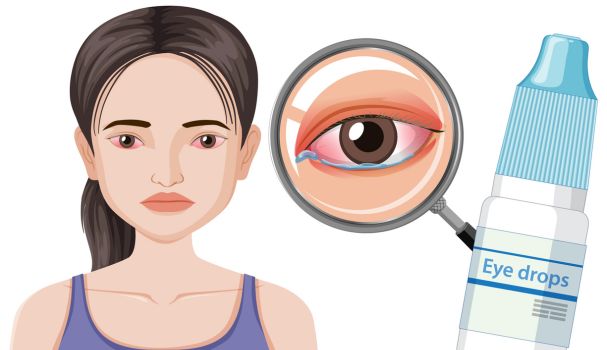
Conjunctivitis, commonly known as “pink eye,” is an inflammation of the conjunctiva—the thin, transparent layer that covers the white part of the eye and lines the inner eyelid. It is a very common eye condition that can affect people of all ages. While conjunctivitis is usually not serious, it can be uncomfortable and, in some cases, highly contagious.

Types of Conjunctivitis

  • Viral Conjunctivitis- Caused by viruses such as adenovirus. It is highly contagious and often spreads through coughing, sneezing, or touching contaminated surfaces. It usually starts in one eye and spreads to the other.
  • Bacterial Conjunctivitis- Caused by bacteria such as Staphylococcus or Streptococcus. It can produce thick discharge, crusting of the eyelids, and swelling. It is also contagious and needs immediate medical attention.
  • Allergic Conjunctivitis- It is triggered by allergens such as pollen, dust, or pet dander. It is not contagious.

Symptoms

  • Redness in one or both eyes
  • Itchy, burning, or watery eyes
  • Swelling of eyelids
  • Sensitivity to light
  • Discharge that may be watery (viral/allergic) or thick and sticky (bacterial)
  • Crusting of eyelashes, especially after sleep

Causes and Risk Factors

• Close contact with an infected person
• Poor hand and face hygiene
• Using contaminated makeup, towels, or contact lenses
• Seasonal allergies
• Viral infections like cold or flu

Treatment
  • Viral Conjunctivitis: Usually clears on its own in 1–2 weeks. Cold compresses and artificial tears may help relieve discomfort.
  • Bacterial Conjunctivitis: Requires antibiotic eye drops or ointment prescribed by a doctor.
  • Allergic Conjunctivitis: Treated with antihistamine or anti-allergy eye drops. Avoiding allergens is key.

Never self-medicate with steroid or any other eye drops, as they can worsen the infection.

Home Care & Prevention
  • Wash hands frequently with soap and water.
  • Avoid rubbing or touching the eyes.
  • Do not share towels, pillowcases, or cosmetics.
  • Replace or disinfect contact lenses regularly.
  • Clean discharge gently with a clean, damp cloth.
  • Stay home if you have viral or bacterial conjunctivitis to prevent spreading it.

    Seek medical help if you experience:

  1. Severe eye pain
  2. Blurred vision or light sensitivity
  3. Symptoms that worsen or don’t improve in a few days
  4. Green/yellow discharge with swelling
  5. Recurring episodes of conjunctivitis

Conjunctivitis is often mild but can disrupt daily life due to irritation and contagiousness. With proper hygiene, early treatment, and care, it can be easily managed and prevented. Protecting your eyes not only helps you recover faster but also keeps those around you safe.

Homeopathic remedies for conjunctivitis :

  • Euphrasia officinalis (Eyebright): This is one of the most frequently recommended remedies for all types of eye problems. It is often used for conjunctivitis with burning, acrid (irritating) tearing, and swollen eyelid.
  • Pulsatilla: Indicated for cases with thick, profuse, non-irritating (bland) yellow or greenish discharge. Symptoms often worsen in warm rooms and improve with cool, fresh air.
  • Aconitum napellus: Suggested for the initial stage, especially after exposure to cold, dry wind or a foreign object. Symptoms include fiery red eyes, a sensation of dryness or “sand” in the eyes, severe pain, and an extreme sensitivity to light.
  • Apis mellifica: Used when the eyelids and surrounding areas are very swollen and puffy, with burning or stinging pain that is relieved by cold compresses.
  • Belladonna: Indicated for sudden onset of symptoms, including bright red, dry, and burning eyes, dilated pupils, throbbing pain, and significant light sensitivity.
  • Argentum nitricum: for cases with significant swelling of the conjunctiva and abundant, pus-like discharge. Symptoms can worsen with warmth and improve with cold water.
  • Sulphur: Helpful for red, irritated eyes with burning and itching pains. The whites of the eyes may look bloodshot, and symptoms are typically worse from heat or bathing the eyes.
  • Please note: Homeopathic medicines should not be self-administered. It is essential to consult with an experienced and qualified homeopathic practitioner for optimal therapeutic results and safe treatment.

An experienced Homeopath thoroughly evaluates your Past History, Medical History, Family History, Constitutional Assessment (Physical constitution, temperament, and individual characteristics), Lifestyle Factors and Mental & Emotional Status on basis of which the most suitable remedy is prescribed.

Always seek consultation with an experienced homeopathic practitioner who can provide proper case taking, remedy selection, and ongoing monitoring to ensure safe and effective treatment tailored to your individual needs.

Natural Healing, Just Around The Corner

Frequently Asked Questions

General Instruction for Taking Homeopathy Medicines
  • All homeopathic medicines are to be taken on or under the tongue & they should be allowed to dissolve completely.
  • Avoid any food item 5 minutes before & after taking the medicines. Water can be consumed.
  • Make sure that the mouth is devoid of any taste or smell when the medicine is to be taken.
  • The quantity of the medicines (pills) is not important but the frequent stimulation is the main criteria.
Is Homeopathy safe for all age groups?
  • All homeopathic medicines are to be taken on or under the tongue & they should be allowed to dissolve completely.
  • Avoid any food item 5 minutes before & after taking the medicines. Water can be consumed.
  • Make sure that the mouth is devoid of any taste or smell when the medicine is to be taken.
  • The quantity of the medicines (pills) is not important but the frequent stimulation is the main criteria.
Does Homeopathy work slowly?
  • All homeopathic medicines are to be taken on or under the tongue & they should be allowed to dissolve completely.
  • Avoid any food item 5 minutes before & after taking the medicines. Water can be consumed.
  • Make sure that the mouth is devoid of any taste or smell when the medicine is to be taken.
  • The quantity of the medicines (pills) is not important but the frequent stimulation is the main criteria.
Can Homeopathy be taken along with allopathic medicine?
  • All homeopathic medicines are to be taken on or under the tongue & they should be allowed to dissolve completely.
  • Avoid any food item 5 minutes before & after taking the medicines. Water can be consumed.
  • Make sure that the mouth is devoid of any taste or smell when the medicine is to be taken.
  • The quantity of the medicines (pills) is not important but the frequent stimulation is the main criteria.
Is Homeopathy just a placebo?
  • All homeopathic medicines are to be taken on or under the tongue & they should be allowed to dissolve completely.
  • Avoid any food item 5 minutes before & after taking the medicines. Water can be consumed.
  • Make sure that the mouth is devoid of any taste or smell when the medicine is to be taken.
  • The quantity of the medicines (pills) is not important but the frequent stimulation is the main criteria.
Take the first step towards natural healing.
Book your personalized homeopathy consultation now.