Dermatitis

Dermatitis-chhc

Introduction

  • Dermatitis is a general term meaning “inflammation of the skin”.
  • In the word “dermatitis,” “derm” means “skin” and “itis” means “inflammation.”
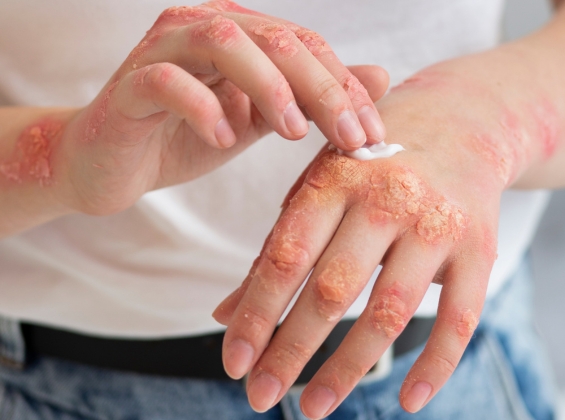
  • Dermatitis is not one single disease — it’s an umbrella term for different conditions where the skin becomes red, itchy, dry, irritated, or swollen.

Causes of dermatitis

  • Dermatitis is caused by a combination of immune system activation, genetics and environmental triggers.
    1. Immune system: Sometimes your immune system overreacts. If you have atopic dermatitis, your immune system reacts to seemingly small irritants or allergens. This causes inflammation.
    2. Genetics: It comes in heredity.
    3. Environment: Your environment may make your immune system change the protective barrier of your skin. That causes more moisture to escape, and that can lead to dermatitis. Possible environmental factors include exposure to tobacco smoke and some types of air pollutants.
    4. Exposure: Some types of dermatitis are caused by exposure to chemicals and other irritants.

    Risk factors of Dermatitis :

    Common risk factors for dermatitis include:

    1. Age:Dermatitis can occur at any age, but atopic dermatitis is more common in children than adults. It often begins in infancy.
    2. Allergies, atopic dermatitis and asthma:People who have a personal or family history of atopic dermatitis, allergies, hay fever or asthma are more likely to develop atopic dermatitis.
    3. Occupation:Jobs that put you in contact with certain metals, solvents or cleaning supplies increase your risk of contact dermatitis.
    4. Other health conditions including Parkinson’s disease, immunodeficiency and HIV/AIDS.

    Types of dermatitis :

    1. Atopic dermatitis
    2. Contact dermatitis
      • Contact dermatitishappens when a substance touches the skin and causes an adverse reaction. These reactions can develop into rashes that burn, sting, itch, or blister.
    3. Dyshidrotic dermatitis
      • In dyshidrotic dermatitis, the skin cannot protect itself. This results in itchy, dry skin, often accompanied by small blisters.
    4. Seborrheic dermatitis
      • People may refer to seborrheic dermatitisas cradle cap when it occurs in infants. This type of dermatitis is most common on the scalp, though it can also occur on the face, chest, and around the ears.
    1. Other types of dermatitis
    1. Neurodermatitis:Neurodermatitis is also called lichen simplex. This type involves an itchy patch of skin, often triggered by stress or something irritating the skin.
    2. Nummular dermatitis:Nummular dermatitis is also called discoid eczema. It involves oval sores on the skin, often occurring after a skin injury. Nummular means “coin-like.”
    3. Stasis dermatitis:Stasis dermatitis involves skin changes due to problems with blood circulation. It can cause skin discoloration in the lower extremities, and may even cause the skin to thicken in texture.

    Symptoms

    • Dry, cracked, scaly skin, more typical on white skin.
    • Itchiness
    • Rash on swollen skin that varies in colour depending on skin colour.
    • Blisters, perhaps with oozing and crusting.
    • Dandruff
    • Thickened skin.
    • Small, raised bumps, more typical on brown or Black skin.
    • Here are examples of signs and symptoms of common types of dermatitis:

    Prevention

    • Wear protective clothing if you’re doing a task that involves irritants or caustic chemicals.
    • The following habits can help reduce the drying effects of bathing:
      • Take shorter baths and showers:Limit your bath or shower to about 10 minutes. Use lukewarm, not hot, water. Bath oil also may be helpful.
      • Use a mild soap or a soapless cleanser:Choose a cleanser that has no dyes, alcohols and fragrance. Some soaps can dry the skin. For young children, you usually need only warm water to get them clean — no soap or bubble bath needed. Don’t scrub the skin with a washcloth or loofah.
      • Pat dry:  After bathing, gently pat the skin with a soft towel. Avoid aggressive rubbing.
      • Moisturize all the skin:While the skin is still damp, seal in moisture with an oil, cream or lotion. Moisturize throughout the day as needed.
    • avoiding any known triggers
    • washing with gentle washes or cleanses rather than fragranced products
    • applying moisturizer to help hydrate dry skin
    • applying cool, wet cloths to the skin to help reduce itching and discomfort
    • covering any broken skin or wounds with a dressing or bandage to prevent irritation or infection

    Management

    • Ultraviolet light:Ultraviolet light waves can help your skin.
    • Wet wrap therapy:This therapy increases moisture in your skin.
    • Use moisturizer:Right after you shower or bathe, apply moisturizer to your skin. This helps keep your skin hydrated.
    • Don’t overheat:Keep your space at a cool temperature and avoid high humidity.
    • Protect your skin:Stay away from anything that could irritate it. This includes rough clothing like wool.
    • Decrease your stress:Take steps to keep your stress levels down.
    • Bathe in lukewarm water:Be sure to use lukewarm water instead of hot. Take no more than one bath or shower per day.
    • Use a mild soap:Use soap or cleanser that is unscented.
    • Avoid scratching:Scratching at your dermatitis irritates it. You could break the skin, risking infection.

    How Homeopathy Helps ?

    • Homeopathy approaches dermatitis in a holistic way. Instead of only soothing the skin surface, it aims to correct the underlying imbalance in the body that triggers the skin reaction.
    • How it Helps :
    1. Individualized Treatment: Remedies are chosen based on the person’s overall constitution, triggers, and emotional state, not just the skin symptoms.
    2. Reduces Itching & Inflammation: Homeopathic medicines help calm irritation, redness, burning, and swelling of the skin.
    3. Addresses Root Cause: It works on underlying causes like allergies, stress, weak immunity, or digestive imbalance rather than suppressing symptoms.
    4. Prevents Recurrence: By strengthening the body’s immune system and correcting sensitivity, it reduces the chances of frequent flare-ups.
    5. Safe & Gentle: Remedies are natural, non-toxic, and safe for children, adults, and even pregnant women.
      Please note: Homeopathic medicines should not be self-administered. It is essential to consult with an experienced and qualified homeopathic practitioner for optimal therapeutic results and safe treatment.
    • An experienced Homeopath thoroughly evaluates your Past History, Medical History, Family History, Constitutional Assessment (Physical constitution, temperament, and individual characteristics), Lifestyle Factors and Mental & Emotional Status on basis of which the most suitable remedy is prescribed.
    • Always seek consultation with an experienced homeopathic practitioner who can provide proper case taking, remedy selection, and ongoing monitoring to ensure safe and effective treatment tailored to your individual needs.

     Commonly Used Remedies :

    Graphites – Dry, cracked, oozing skin with sticky discharge.

    Sulphur – Intense itching, worse at night and with warmth.

    Rhus toxicodendron – Red, blistering, itchy rashes that improve with warmth.

    Mezereum – Thick crusts with oozing underneath, often on scalp/face.

    Natural Healing, Just Around The Corner

    Frequently Asked Questions
    General Instruction for Taking Homeopathy Medicines
    • All homeopathic medicines are to be taken on or under the tongue & they should be allowed to dissolve completely.
    • Avoid any food item 5 minutes before & after taking the medicines. Water can be consumed.
    • Make sure that the mouth is devoid of any taste or smell when the medicine is to be taken.
    • The quantity of the medicines (pills) is not important but the frequent stimulation is the main criteria.
    Is Homeopathy safe for all age groups?
    • All homeopathic medicines are to be taken on or under the tongue & they should be allowed to dissolve completely.
    • Avoid any food item 5 minutes before & after taking the medicines. Water can be consumed.
    • Make sure that the mouth is devoid of any taste or smell when the medicine is to be taken.
    • The quantity of the medicines (pills) is not important but the frequent stimulation is the main criteria.
    Does Homeopathy work slowly?
    • All homeopathic medicines are to be taken on or under the tongue & they should be allowed to dissolve completely.
    • Avoid any food item 5 minutes before & after taking the medicines. Water can be consumed.
    • Make sure that the mouth is devoid of any taste or smell when the medicine is to be taken.
    • The quantity of the medicines (pills) is not important but the frequent stimulation is the main criteria.
    Can Homeopathy be taken along with allopathic medicine?
    • All homeopathic medicines are to be taken on or under the tongue & they should be allowed to dissolve completely.
    • Avoid any food item 5 minutes before & after taking the medicines. Water can be consumed.
    • Make sure that the mouth is devoid of any taste or smell when the medicine is to be taken.
    • The quantity of the medicines (pills) is not important but the frequent stimulation is the main criteria.
    Is Homeopathy just a placebo?
    • All homeopathic medicines are to be taken on or under the tongue & they should be allowed to dissolve completely.
    • Avoid any food item 5 minutes before & after taking the medicines. Water can be consumed.
    • Make sure that the mouth is devoid of any taste or smell when the medicine is to be taken.
    • The quantity of the medicines (pills) is not important but the frequent stimulation is the main criteria.
    Take the first step towards natural healing.
    Book your personalized homeopathy consultation now.