
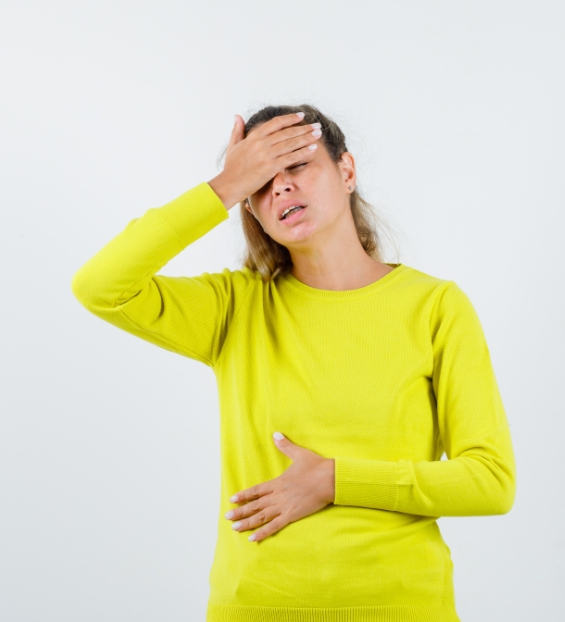
Gas and Flatulence

Gas and Flatulence -chhc

Understanding Gas and Flatulence

Gas and flatulence are common digestive complaints. They occur due to excessive air in the gastrointestinal tract, either swallowed or produced during digestion. Passing gas is normal, but excessive accumulation can lead to:

Bloating, Abdominal discomfort, Belching, Foul-smelling flatulence, Painful cramp

Causes of Gas and Flatulence

  1. Dietary factors – beans, cabbage, lentils, carbonated drinks, fried food.
  2. Eating habits – eating too fast, swallowing air, chewing gum.
  3. Digestive disorders – indigestion, constipation, IBS (Irritable Bowel Syndrome).
  4. Food intolerances – lactose or gluten intolerance.
  5. Lifestyle factors – stress, lack of exercise, smoking, irregular meals.
  6. Adding more fibre into your diet can cause temporary gas. Insoluble fibre (such as bran) causes more gas than soluble fibre (such as psyllium).
  7. Antibiotics
  8. Irritable bowel syndrome, Celiac disease, Gastro oesophageal reflux disease (GERD), Small Intestinal bacterial overgrowth.
  9. Inability to absorb nutrients properly (Malabsorption)
  10. Inability to digest nutrients properly (Maldigestion)

Diagnosis :
Tests used to diagnose gas-related illnesses include:

  • Blood tests. These can check for signs of celiac disease or other health problems.  
  • Breath test. You may drink a solution of sugar, carbohydrates, or carbon. Then your doctor will have you breathe into a tube every so often so they can check for gas-causing methane or carbon dioxide.  
  • X-rays. This can check for physical problems that aren’t noticeable during a physical exam.   
  • Stool tests. For signs of blood, abnormal bacteria, or signs of other digestive issues that cause gas, such as intestinal inflammation, pancreatic dysfunction, viruses, or parasites 
  • Endoscopy.  To look at your upper intestines. They may take tissue samples from your gut to check for signs of inflammation or other conditions. 
  • Colonoscopy. This test checks for signs of inflammatory bowel disease (IBD), tumors, ulcers, bleeding, or other problems in your large intestine (colon). 

Homeopathic Approach

Homeopathy treats flatulence not just symptomatically but also constitutionally, aiming to correct the underlying imbalance. Medicines are selected based on modalities (factors that aggravate or relieve), associated complaints, and individual constitution.

Common Homeopathic Remedies for Gas and Flatulence

  1. Carbo Vegetabilis

Excessive bloating, especially after rich or fatty food.
Patient feels weak, cold, and desires fresh air.
Belching brings temporary relief.

  1. Lycopodium Clavatum

Much bloating in the lower abdomen, even after small meals.
Excessive flatulence, more in the evening (4–8 pm).
Desire for sweets but digestion is weak.

  1. China (Cinchona Officinalis)

Abdomen distended with gas but not relieved by passing it.
Complaints worse at night and after eating fruits.
Suited to people weakened by loss of fluids or chronic illness

  1. Nux Vomica

Gas with constipation and ineffectual urge to pass stool.
Flatulence associated with sedentary lifestyle, excess coffee, alcohol, or spicy food.
Irritable, oversensitive temperament.

  1. Colocynthis

Severe colicky abdominal pain with gas.
Bending double or applying pressure relieves pain.
Flatulence with diarrhea after anger or emotional stress.

  1. Pulsatilla

Gas and heaviness after rich, creamy food or pastry.
Changeable symptoms, no thirst, desire for open air.
Suited to mild, emotional personalities.

  • Please note: Homeopathic medicines should not be self-administered. It is essential to consult with an experienced and qualified homeopathic practitioner for optimal therapeutic results and safe treatment.
  • An experienced Homeopath thoroughly evaluates your Past History, Medical History, Family History, Constitutional Assessment (Physical constitution, temperament, and individual characteristics), Lifestyle Factors and Mental & Emotional Status on basis of which the most suitable remedy is prescribed.
  • Always seek consultation with an experienced homeopathic practitioner who can provide proper case taking, remedy selection, and ongoing monitoring to ensure safe and effective treatment tailored to your individual needs.

General Tips for Relief

  • Eat slowly and chew food well.
  • Avoid excessive carbonated drinks, chewing gum, or smoking.
  • Limit gas-producing foods (beans, cabbage, fried food).
  • Stay physically active; light walking after meals helps.
  • Manage stress with relaxation techniques.

Conclusion

Flatulence is usually harmless but can cause discomfort and embarrassment. Homeopathy offers gentle and effective remedies that not only relieve gas but also improve digestion by addressing the root cause. A qualified homeopath should be consulted for personalized treatment.

Natural Healing, Just Around The Corner

Frequently Asked Questions
General Instruction for Taking Homeopathy Medicines
  • All homeopathic medicines are to be taken on or under the tongue & they should be allowed to dissolve completely.
  • Avoid any food item 5 minutes before & after taking the medicines. Water can be consumed.
  • Make sure that the mouth is devoid of any taste or smell when the medicine is to be taken.
  • The quantity of the medicines (pills) is not important but the frequent stimulation is the main criteria.
Is Homeopathy safe for all age groups?
  • All homeopathic medicines are to be taken on or under the tongue & they should be allowed to dissolve completely.
  • Avoid any food item 5 minutes before & after taking the medicines. Water can be consumed.
  • Make sure that the mouth is devoid of any taste or smell when the medicine is to be taken.
  • The quantity of the medicines (pills) is not important but the frequent stimulation is the main criteria.
Does Homeopathy work slowly?
  • All homeopathic medicines are to be taken on or under the tongue & they should be allowed to dissolve completely.
  • Avoid any food item 5 minutes before & after taking the medicines. Water can be consumed.
  • Make sure that the mouth is devoid of any taste or smell when the medicine is to be taken.
  • The quantity of the medicines (pills) is not important but the frequent stimulation is the main criteria.
Can Homeopathy be taken along with allopathic medicine?
  • All homeopathic medicines are to be taken on or under the tongue & they should be allowed to dissolve completely.
  • Avoid any food item 5 minutes before & after taking the medicines. Water can be consumed.
  • Make sure that the mouth is devoid of any taste or smell when the medicine is to be taken.
  • The quantity of the medicines (pills) is not important but the frequent stimulation is the main criteria.
Is Homeopathy just a placebo?
  • All homeopathic medicines are to be taken on or under the tongue & they should be allowed to dissolve completely.
  • Avoid any food item 5 minutes before & after taking the medicines. Water can be consumed.
  • Make sure that the mouth is devoid of any taste or smell when the medicine is to be taken.
  • The quantity of the medicines (pills) is not important but the frequent stimulation is the main criteria.
Take the first step towards natural healing.
Book your personalized homeopathy consultation now.