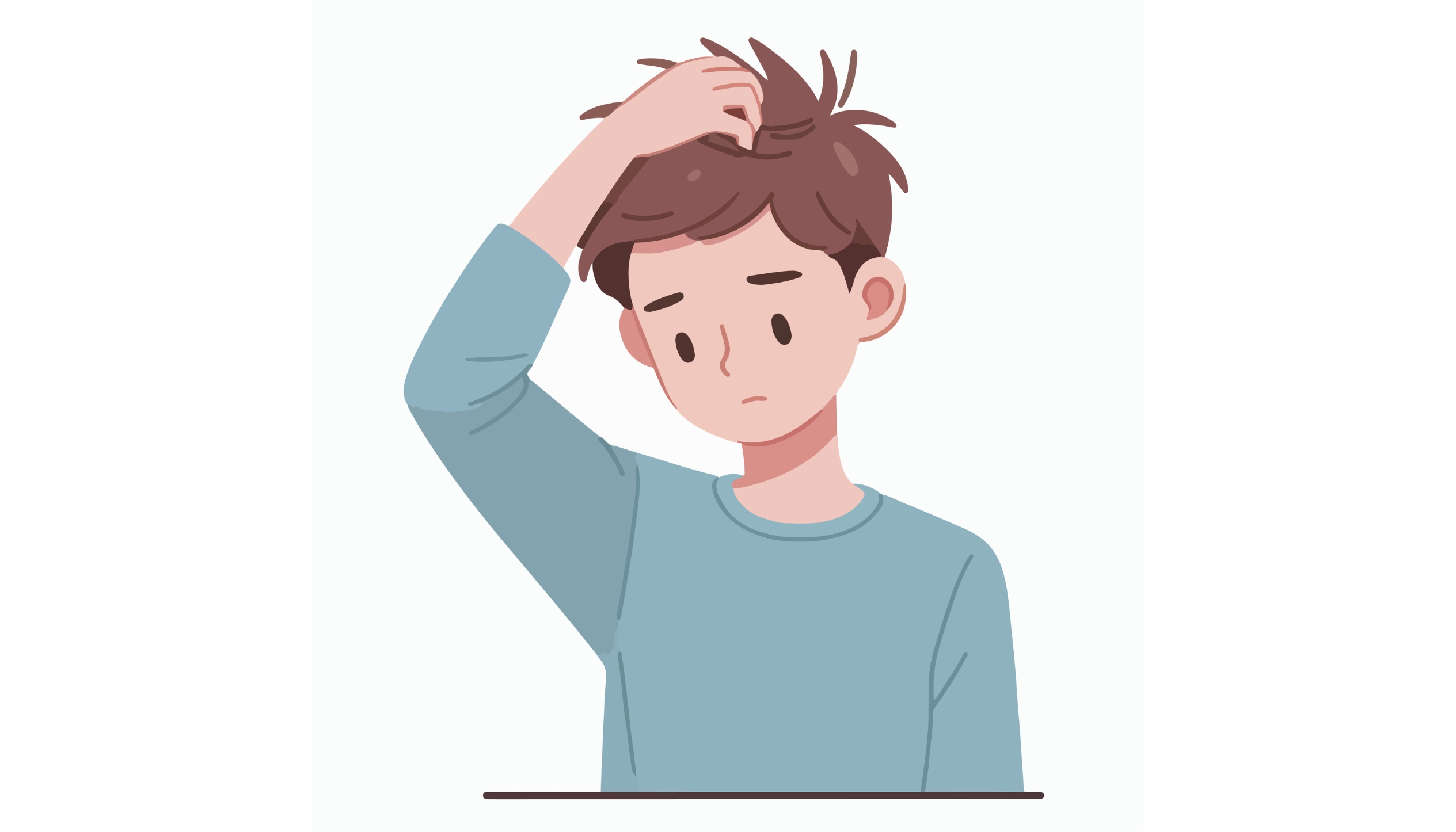
Scalp infections refer to a group of conditions caused by fungi, bacteria, viruses, or parasites affecting the skin, hair follicles, and hair shafts of the scalp.
Common forms include:
Fungal: Tinea capitis (ringworm), favus
Bacterial: Folliculitis, impetigo, cellulitis
Viral: Herpes simplex, herpes zoster
Parasitic: Pediculosis capitis (head lice)
Symptoms include:
This can spread across the scalp, producing many separate spots. Affects children more than adults.
Symptoms include:
Symptoms include:
People who have a weakened immune system are at higher risk of developing a fungal infection. People can reduce their risk of developing fungal infections by keeping cuts or broken skin clean and covered. This is particularly important when working outside or around soil.
The hair on the body and the scalp grow out of hair follicles. Bacteria can enter the skin through damaged hair follicles, causing an infection called folliculitis.
People can get folliculitis on their scalp from:
It can cause pain or itching.
Cradle cap, which develops on a baby’s scalp, is a form of seborrheic dermatitis.
In adults, seborrheic dermatitis is the most common cause of dandruff.
Viral infection: Replicates in epithelial cells, causing painful vesicular eruptions (e.g., herpes zoster).
Parasitic infections (lice): Lice attach to hair shafts and feed on blood.
Leads to itching, excoriations, and secondary infection.
A:- Clinical Examination:
B:- Laboratory Investigations:
C:- Other evaluations:
General Management
In scalp infections, homeopathic medicines act on the tissues primarily involved in inflammation, discharge, and repair. They work on the scalp skin and sebaceous glands to clear moist, crusting, exudative eruptions that often become secondarily infected. These remedies also influence the skin and hair follicles, reducing rawness, itching, and repeated excoriation that aggravates infection. At a deeper level, homeopathic medicines act on thickened, chronically irritated scalp tissue, helping to resolve sticky, glutinous discharges and long-standing infected eczema. Together, their sphere of action supports healthier skin turnover, reduced exudation, and smoother recovery of the scalp.
The homeopathic approach focuses on removing the constitutional tendency toward recurrent scalp infections by:
⚠️ Important: Homeopathic medicines must be prescribed based on totality of symptoms. Self-medication is not advised. Always consult a qualified homeopath for accurate diagnosis and individualized remedy selection.
WhatsApp us