Seborrheic Dermatitis

Seborrheic Dermatitis - CHHC

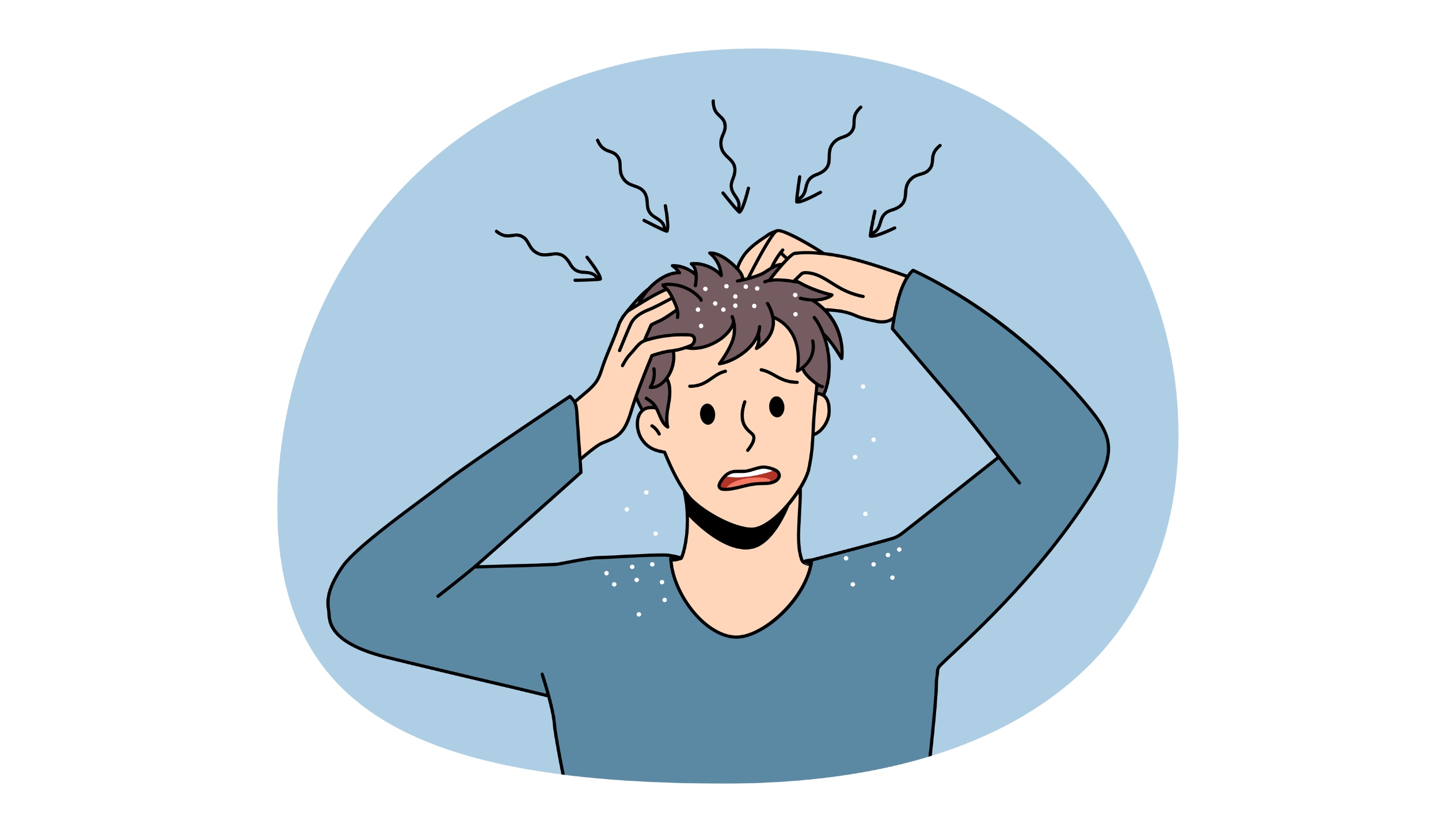
Seborrheic Dermatitis is a chronic, relapsing skin condition characterized by inflammation, redness, flaking, and itching, primarily in areas rich in sebaceous (oil) glands such as the scalp, face, eyebrows, ears, chest, and upper back. It can be mild—appearing as simple dandruff—or more severe, leading to scaly patches, greasy plaques, and even temporary hair loss.

Though not contagious or dangerous, Seborrheic Dermatitis can significantly affect quality of life due to visible symptoms and discomfort. It commonly flares in cold weather, during periods of stress, or with underlying immune or neurological disorders.

Conventional medicine typically relies on antifungal creams, corticosteroids, and medicated shampoos, which may offer temporary relief but often come with side effects and frequent relapses. In contrast, homeopathy provides a holistic, individualized, and long-term solution by treating not just the skin but the underlying causes—be they hormonal, emotional, or immunological.

Causes of Seborrheic Dermatitis

Seborrheic Dermatitis is believed to result from an interaction of genetic, microbial, environmental, and internal systemic factors. One of the major culprits is an overgrowth of the yeast Malassezia, which lives on the skin but becomes pathogenic under certain conditions.

Contributing Factors Include:

  • Overgrowth of Malassezia fungus
  • Excess sebum production (oily skin)
  • Hormonal imbalances (especially androgens)
  • Stress, anxiety, or depression
  • Immune system dysfunction
  • Neurological conditions (e.g., Parkinson’s disease)
  • Cold, dry weather or seasonal changes
  • Family history of skin disorders

Symptoms of Seborrheic Dermatitis

The symptoms may vary depending on age, location, and severity, but they typically involve red, inflamed skin with greasy scales or flaky white/yellow crusts.

Common Signs and Symptoms:

  • Persistent dandruff (mild scaling of scalp)
  • Red, itchy patches on the scalp, face, or chest
  • Greasy, yellow or white scales
  • Crusting and oozing lesions (in severe cases)
  • Flaky patches on eyebrows, eyelids, and beard area
  • Scaling behind ears, around the nose, and on eyelids
  • Itching and burning sensation
  • Temporary hair thinning due to inflammation or scratching

How Homeopathy Helps in Seborrheic Dermatitis

Homeopathy treats Seborrheic Dermatitis not merely as a skin disorder but as an expression of inner imbalance—whether in the immune system, emotional health, or hormonal function. Homeopathic remedies are natural, non-toxic, and tailored to the individual’s full health profile.

Key Benefits of Homeopathic Treatment:

  • Addresses root causes rather than just suppressing symptoms
  • Improves immunity and skin resilience
  • Offers long-term relief with minimal or no side effects
  • Prevents frequent flare-ups and relapses
  • Focuses on the mind-body connection, reducing stress-related aggravations

Specific Homeopathic Medicines & Their Actions

Here are some commonly used homeopathic remedies and how they work in the management of Seborrheic Dermatitis:

Graphites

  • Action: Acts on skin and glandular tissues. Regulates excessive secretion of sebum and heals thick, sticky, honey-like discharge from crusty eruptions.
  • Best for: Oozing, cracked skin behind ears, scalp with thick scales, or moist eczema.

Kali Sulphuricum

  • Action: Promotes cellular regeneration and helps eliminate yellow, greasy scales. Regulates skin metabolism.
  • Best for: Yellowish flakes, dandruff with itching, worse in warm room, better in cool air.

Natrum Muriaticum

  • Action: Acts deeply on glands and hormonal balance. Helpful in cases worsened by emotional stress or after grief.
  • Best for: Oily scalp, hair loss, crusting around hairline, and individuals who are emotionally reserved or sensitive.

Mezereum

  • Action: Works on skin eruptions with thick crusts and intense itching. Has an affinity for scalp and nerve endings, reducing itching and irritation.
  • Best for: Thick white scabs on scalp, intense itching at night, pus formation beneath crusts.

Thuja Occidentalis

  • Action: Detoxifies the body, especially in cases where skin issues are related to vaccination, fungal infections, or suppressed eruptions.
  • Best for: Oily skin, fungal scalp infections, and scalp with warty or crusted patches.

Sulphur

  • Action: Classic skin remedy that promotes detoxification, improves circulation to the skin, and corrects chronic inflammatory tendencies.
  • Best for: Itchy, burning skin; worse from washing; scalp with dandruff and foul smell.

⚠️ Important: Homeopathic medicines must be prescribed based on the totality of symptoms. Self-medication is not advised. Always consult a qualified homeopath for accurate diagnosis and individualized remedy selection.

Quick Facts about Seborrheic Dermatitis

  • Not contagious and not caused by poor hygiene.
  • Affects up to 5% of the population, more common in men.
  • Can occur at any age—from infants to adults.
  • Associated with oily skin, weather changes, stress, and fungal overgrowth.
  • Chronic condition with periods of remission and flare-ups.
  • Cradle cap in infants is a mild, self-limiting form.
  • Homeopathy provides gentle, long-term relief without steroids or antifungals.

Conclusion

Seborrheic Dermatitis may be stubborn and recurring, but with the right approach, healing is possible—and without relying solely on chemical-based treatments. Homeopathy offers a personalized, safe, and sustainable path toward clearer skin by working from the inside out.

By identifying the root imbalances—whether physical, emotional, or hormonal—homeopathic treatment can help you achieve not only skin relief but overall well-being. If you’re tired of dealing with recurrent dandruff, itchy skin, or greasy scalp, it’s time to consider the natural, side-effect-free path of homeopathy.

Please note: Homeopathic medicines should not be self-administered. It is essential to consult with an experienced and qualified homeopathic practitioner for optimal therapeutic results and safe treatment.

  • An experienced Homeopath thoroughly evaluates your Past History, Medical History, Family History, Constitutional Assessment (Physical constitution, temperament, and individual characteristics), Lifestyle Factors and Mental & Emotional Status on basis of which the most suitable remedy is prescribed.
  • Always seek consultation with an experienced homeopathic practitioner who can provide proper case taking, remedy selection, and ongoing monitoring to ensure safe and effective treatment tailored to your individual needs.

Natural Healing, Just Around The Corner

Frequently Asked Questions

General Instruction for Taking Homeopathy Medicines
  • All homeopathic medicines are to be taken on or under the tongue & they should be allowed to dissolve completely.
  • Avoid any food item 5 minutes before & after taking the medicines. Water can be consumed.
  • Make sure that the mouth is devoid of any taste or smell when the medicine is to be taken.
  • The quantity of the medicines (pills) is not important but the frequent stimulation is the main criteria.
Is Homeopathy safe for all age groups?
  • All homeopathic medicines are to be taken on or under the tongue & they should be allowed to dissolve completely.
  • Avoid any food item 5 minutes before & after taking the medicines. Water can be consumed.
  • Make sure that the mouth is devoid of any taste or smell when the medicine is to be taken.
  • The quantity of the medicines (pills) is not important but the frequent stimulation is the main criteria.
Does Homeopathy work slowly?
  • All homeopathic medicines are to be taken on or under the tongue & they should be allowed to dissolve completely.
  • Avoid any food item 5 minutes before & after taking the medicines. Water can be consumed.
  • Make sure that the mouth is devoid of any taste or smell when the medicine is to be taken.
  • The quantity of the medicines (pills) is not important but the frequent stimulation is the main criteria.
Can Homeopathy be taken along with allopathic medicine?
  • All homeopathic medicines are to be taken on or under the tongue & they should be allowed to dissolve completely.
  • Avoid any food item 5 minutes before & after taking the medicines. Water can be consumed.
  • Make sure that the mouth is devoid of any taste or smell when the medicine is to be taken.
  • The quantity of the medicines (pills) is not important but the frequent stimulation is the main criteria.
Is Homeopathy just a placebo?
  • All homeopathic medicines are to be taken on or under the tongue & they should be allowed to dissolve completely.
  • Avoid any food item 5 minutes before & after taking the medicines. Water can be consumed.
  • Make sure that the mouth is devoid of any taste or smell when the medicine is to be taken.
  • The quantity of the medicines (pills) is not important but the frequent stimulation is the main criteria.
Take the first step towards natural healing.
Book your personalized homeopathy consultation now.