Varicose Vein and Ulcer

Varicose Vein and Ulcer - CHHC

Understanding the Root Cause: Why Do Veins Become Varicose?

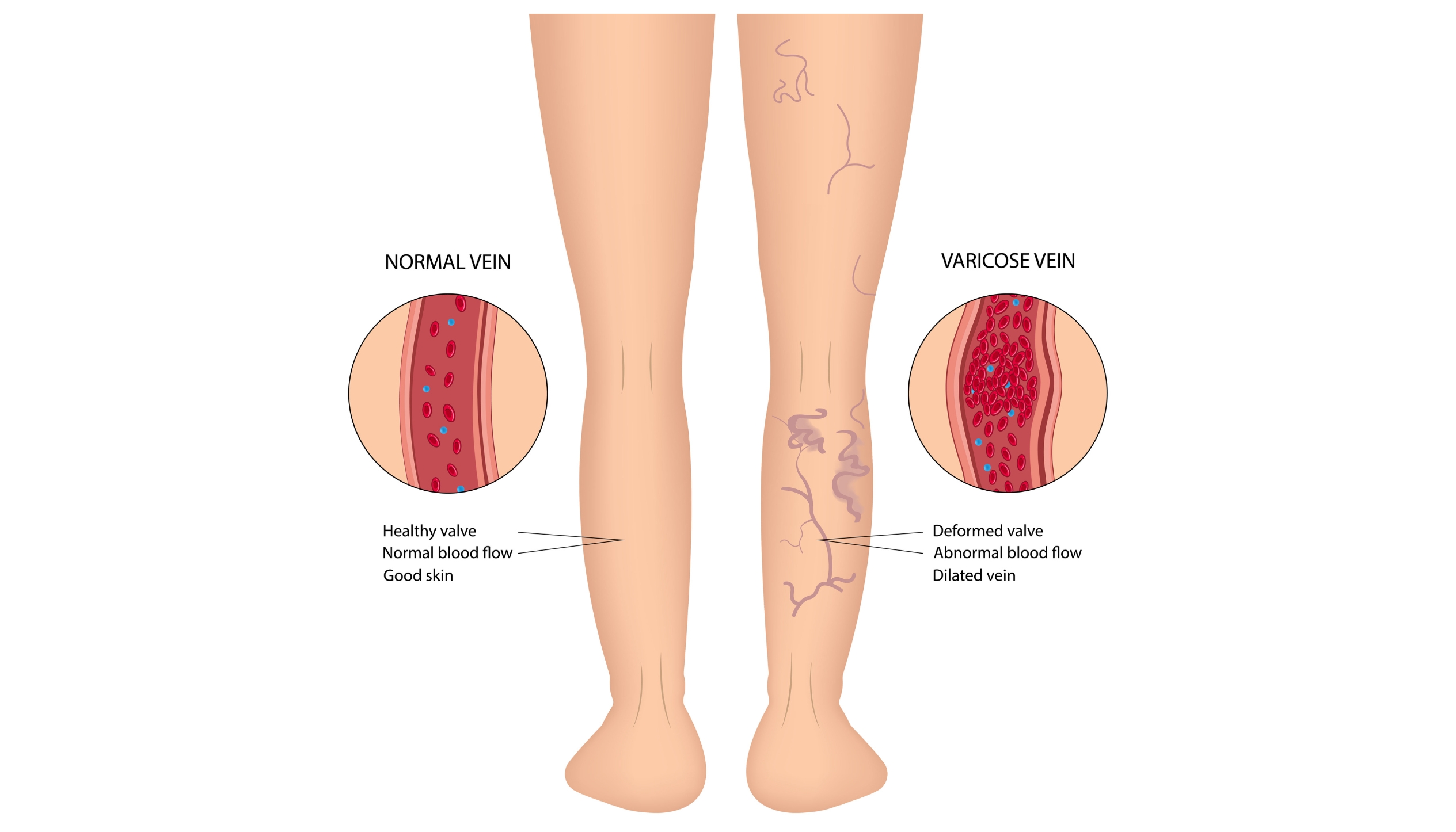
Healthy veins have tiny valves that act like one-way doors, ensuring blood flows upwards towards the heart. When these valves weaken or become damaged, blood can pool in the veins, causing them to stretch and enlarge. This is the primary culprit behind varicose veins.

Several factors can contribute to weak or damaged valves:

  • Age: As we age, our bodies experience wear and tear, and the valves in our veins are no exception. They become less elastic and more prone to leakage.
  • Genetics: If you have a family history of varicose veins, you’re more likely to develop them yourself.
  • Gender: Women are more susceptible due to hormonal fluctuations during pregnancy, menstruation, and menopause.
  • Pregnancy: Increased blood volume and hormonal changes during pregnancy put extra strain on the veins.
  • Obesity: Excess weight adds pressure to the veins in the legs.
  • Prolonged Standing or Sitting: Occupations that require extended periods of standing or sitting can hinder blood circulation and increase pressure in the veins.

Symptoms of Varicose Veins

Varicose veins often have a distinct visual appearance, but they can also cause a range of uncomfortable symptoms. Here are some key signs to watch out for:

  • Visible Veins: The most obvious sign is the appearance of twisted, bulging veins, usually blue or dark purple in colour, often resembling cords on the legs.
  • Pain and Discomfort: Aching or heavy feeling in the legs, particularly after prolonged standing or sitting.
  • Swelling: Swelling in the lower legs, ankles and feet, especially noticeable towards the end of the day.
  • Skin Changes: Itching around the veins, skin discoloration, or even ulcers near the ankle (in severe cases).
  • Muscle Cramping: Burning, throbbing, muscle cramping, and tightness in the lower legs.
  • Restless Legs Syndrome: An uncontrollable urge to move the legs, particularly at night, which can disrupt sleep.
  • Eczema (less common): In some cases, varicose veins can contribute to eczema flare-ups in the affected area.

Management of Varicose Veins

  • Lifestyle Changes: Regular exercise, weight management, avoiding prolonged standing or sitting, and elevating legs above heart level can significantly improve circulation and reduce discomfort.
  • Compression Stockings: These specialized stockings apply gentle pressure to the legs, helping veins and leg muscles move blood more efficiently.

Venous Ulcer

A venous ulcer, also known as venous stasis ulcer, is a wound that takes longer than usual to heal. It’s due to vein and blood flow issues and often occurs on your legs near your ankle. Venous ulcers occur when oxygen-poor blood can’t flow from your extremities back to your heart. Instead, it pools, creating pressure in your veins. This damages skin tissue and leads to an ulcer.

Causes

Chronic venous insufficiency is a common cause of valve dysfunction.

Factors can raise your risk of venous ulcers. They include:

Symptoms

They’re often shallow, irregularly shaped sores. The skin surrounding the stasis ulcer may be hard and discolored.

Symptoms of venous ulcers include Dull ache, Foul odor, Itching, Pus or other fluid that oozes from the sore, Swelling (edema).

Tests for venous ulcers include:

  • Ankle-brachial index, which takes blood pressure readings of your arms and legs.
  • Doppler study to listen to blood flowing through your veins.
  • Imaging studies, such as a CT scan to identify damaged or nonfunctioning valves.

Management

Venous ulcers don’t heal on their own. The longer you live with them, the greater the likelihood of permanent tissue damage. The damage can spread or cause infections that can become life- or limb-threatening, such as gangrene.

In severe cases, it may be necessary to surgically remove (amputate) your affected limb. Timely care from an experienced wound care provider significantly lowers this risk.

Venous ulcer treatments often include:

  • Compression bandages or stockings to improve circulation.
  • Ointments that protect against germs.
  • Pain relievers and other therapies to quiet overactive nerves.
  • Procedures (debridement) to remove debris and dead tissue.
  •  Management of diabetes and control of infection.
  • Special bandages and dressings to keep the ulcer covered.
  • Wound cleaning daily to flush out bacteria and remove dead tissue.

Homeopathic remedies for Varicose Veins:

Homeopathic medicines work on the venous system by improving tone of weak vein walls, reducing congestion, and easing the heaviness and soreness caused by poor circulation. Hamamelis acts on engorged veins and fragile capillaries, relieving bruised pain and bleeding tendencies. Aesculus targets deep venous stasis of the pelvis and legs, reducing fullness, dragging, and aching in long-standing varicosities. Pulsatilla supports sluggish venous return, especially when symptoms shift with posture or worsen in heat or pregnancy. Together, these remedies act within the sphere of the venous and circulatory systems, promoting healthier flow and reduced discomfort.

  • Hamamelis Virginiana (Witch Hazel): This remedy is often used for varicose veins that cause soreness, heaviness, and a bruised feeling in the legs. The veins may be swollen and tender to the touch, and pain worsens with any movement.  Better when lying down.
  • Calcarea Fluorica  (Calcium Fluoride): This remedy is indicated for hard, knotty varicose veins, often accompanied by pain and swelling. There may also be a tendency towards developing Hemorrhoids.
  • Pulsatilla Nigricans: This remedy is used for varicose veins that develop during pregnancy. The veins feel swollen and painful, and the person may crave fresh air and feel an aversion to warmth.
  • Arnica Montana: This remedy is helpful for varicose veins accompanied soreness and bruising in the legs. The legs may feel heavy and tired, with a bruised sensation.
  • Aesculus Hippocastanum (Horse Chestnut): This is a popular homeopathic remedy for varicose veins, particularly   for aching and soreness in the legs. People who benefit from Aesculus often experience fullness and congestion in the veins, especially when standing for long periods.
  • Sulphur: This remedy is indicated for varicose veins that cause itching and burning. Symptoms may worsen with warmth and bathing, and there may be a general tendency towards skin issues like eczema.
  • Lachesis Mutus: This remedy is helpful for bluish, swollen veins that are very sensitive to touch. Symptoms typically worsen at night and with warmth.
  • Calcarea Carbonica: This remedy is indicated for swollen veins with cramping in the legs. Symptoms often worsen with exertion and standing.
  • Fluoricum Acidum: This remedy is used for varicose veins that are painful and ulcerated. Symptoms may worsen with heat and improve with cold applications
  • Carbo Vegetabilis: Helpful for purple-colored ulcers that bleed easily, even on slight touch, with foul-smelling discharge.
  • Silicea: Successfully used in case studies for chronic, non-healing ulcers by promoting the formation of new skin and overall improvement

⚠️ Important: Homeopathic medicines must be prescribed based on totality of symptoms. Self-medication is not advised. Always consult a qualified homeopath for accurate diagnosis and individualized remedy selection.

Natural Healing, Just Around The Corner

Frequently Asked Questions

General Instruction for Taking Homeopathy Medicines
  • All homeopathic medicines are to be taken on or under the tongue & they should be allowed to dissolve completely.
  • Avoid any food item 5 minutes before & after taking the medicines. Water can be consumed.
  • Make sure that the mouth is devoid of any taste or smell when the medicine is to be taken.
  • The quantity of the medicines (pills) is not important but the frequent stimulation is the main criteria.
Is Homeopathy safe for all age groups?
  • All homeopathic medicines are to be taken on or under the tongue & they should be allowed to dissolve completely.
  • Avoid any food item 5 minutes before & after taking the medicines. Water can be consumed.
  • Make sure that the mouth is devoid of any taste or smell when the medicine is to be taken.
  • The quantity of the medicines (pills) is not important but the frequent stimulation is the main criteria.
Does Homeopathy work slowly?
  • All homeopathic medicines are to be taken on or under the tongue & they should be allowed to dissolve completely.
  • Avoid any food item 5 minutes before & after taking the medicines. Water can be consumed.
  • Make sure that the mouth is devoid of any taste or smell when the medicine is to be taken.
  • The quantity of the medicines (pills) is not important but the frequent stimulation is the main criteria.
Can Homeopathy be taken along with allopathic medicine?
  • All homeopathic medicines are to be taken on or under the tongue & they should be allowed to dissolve completely.
  • Avoid any food item 5 minutes before & after taking the medicines. Water can be consumed.
  • Make sure that the mouth is devoid of any taste or smell when the medicine is to be taken.
  • The quantity of the medicines (pills) is not important but the frequent stimulation is the main criteria.
Is Homeopathy just a placebo?
  • All homeopathic medicines are to be taken on or under the tongue & they should be allowed to dissolve completely.
  • Avoid any food item 5 minutes before & after taking the medicines. Water can be consumed.
  • Make sure that the mouth is devoid of any taste or smell when the medicine is to be taken.
  • The quantity of the medicines (pills) is not important but the frequent stimulation is the main criteria.
Take the first step towards natural healing.
Book your personalized homeopathy consultation now.